
Block Boom: Home Design
From satisfying block puzzles to beautiful homes.
Mobile Puzzle Game | Project Management, Team Leadership & Game Design | 2026
Platform: Android
My Role: Project Manager, Team Leadership & Game Design Contributor
Studio: Athena Studios
Team: Cross-functional, distributed across Europe and Vietnam
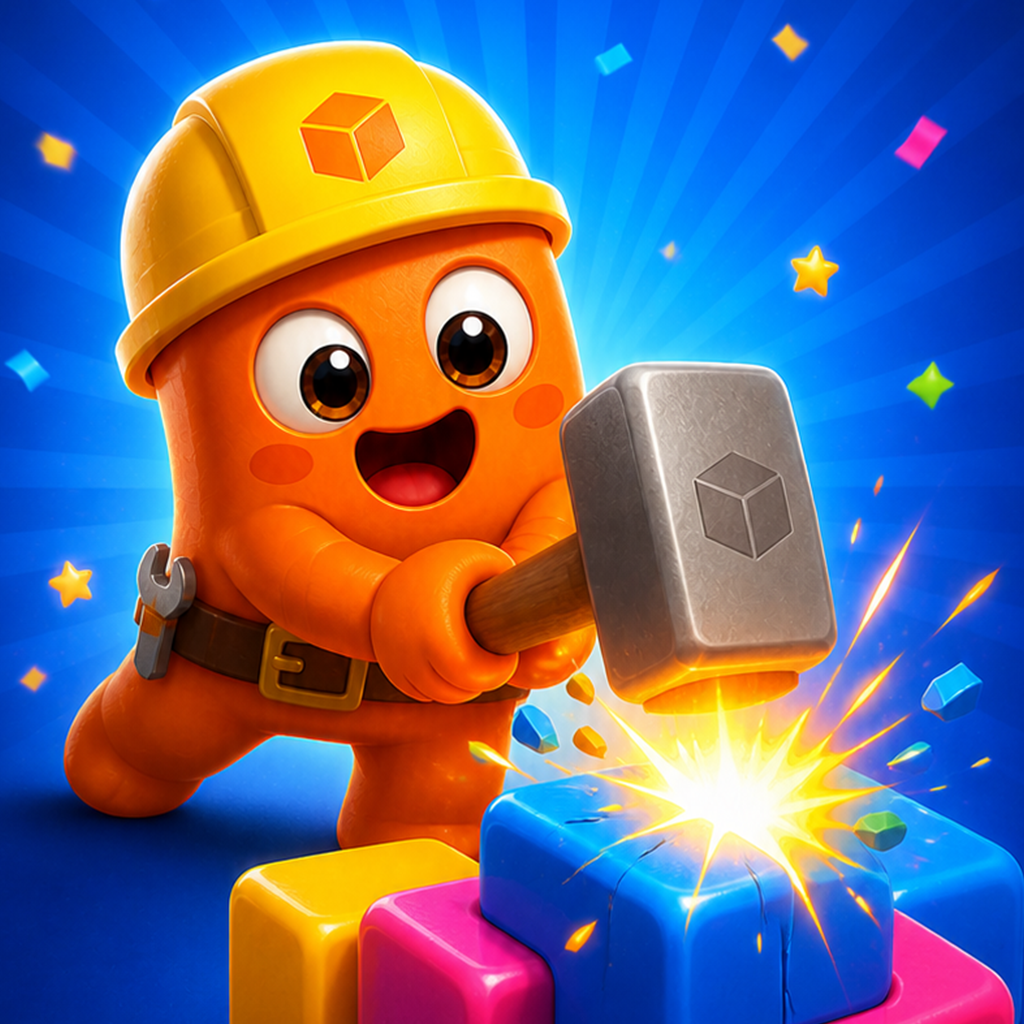
About the Game
Block Boom: Home Design combines the familiar satisfaction of block puzzle games with a rewarding home renovation experience.
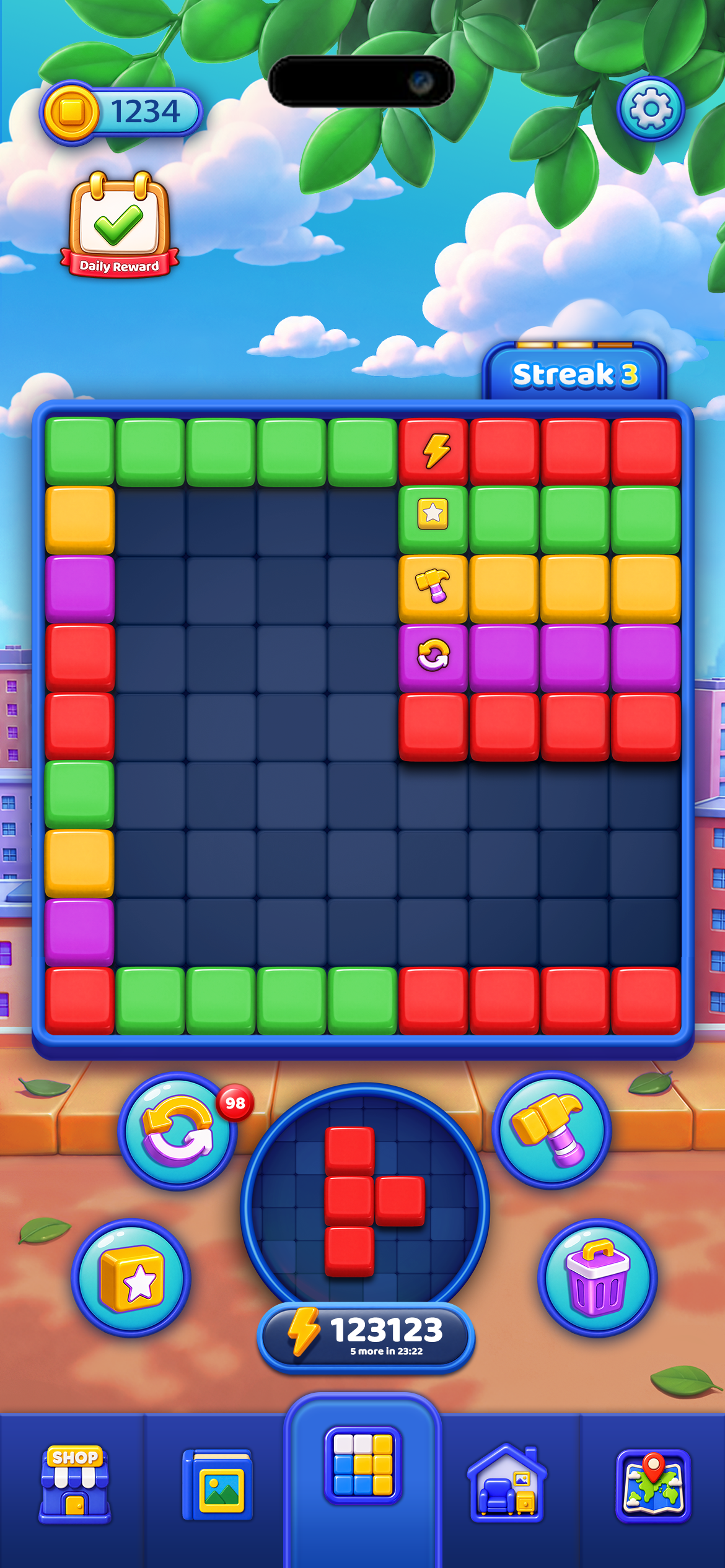
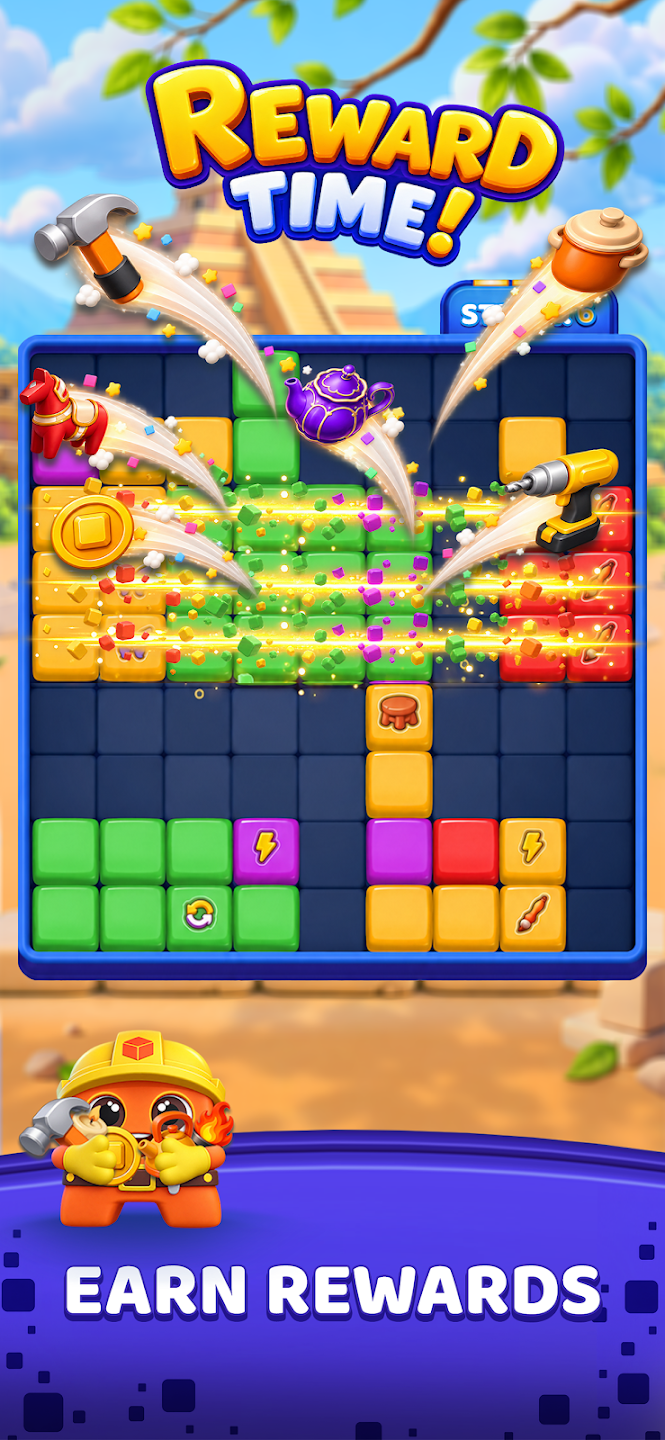
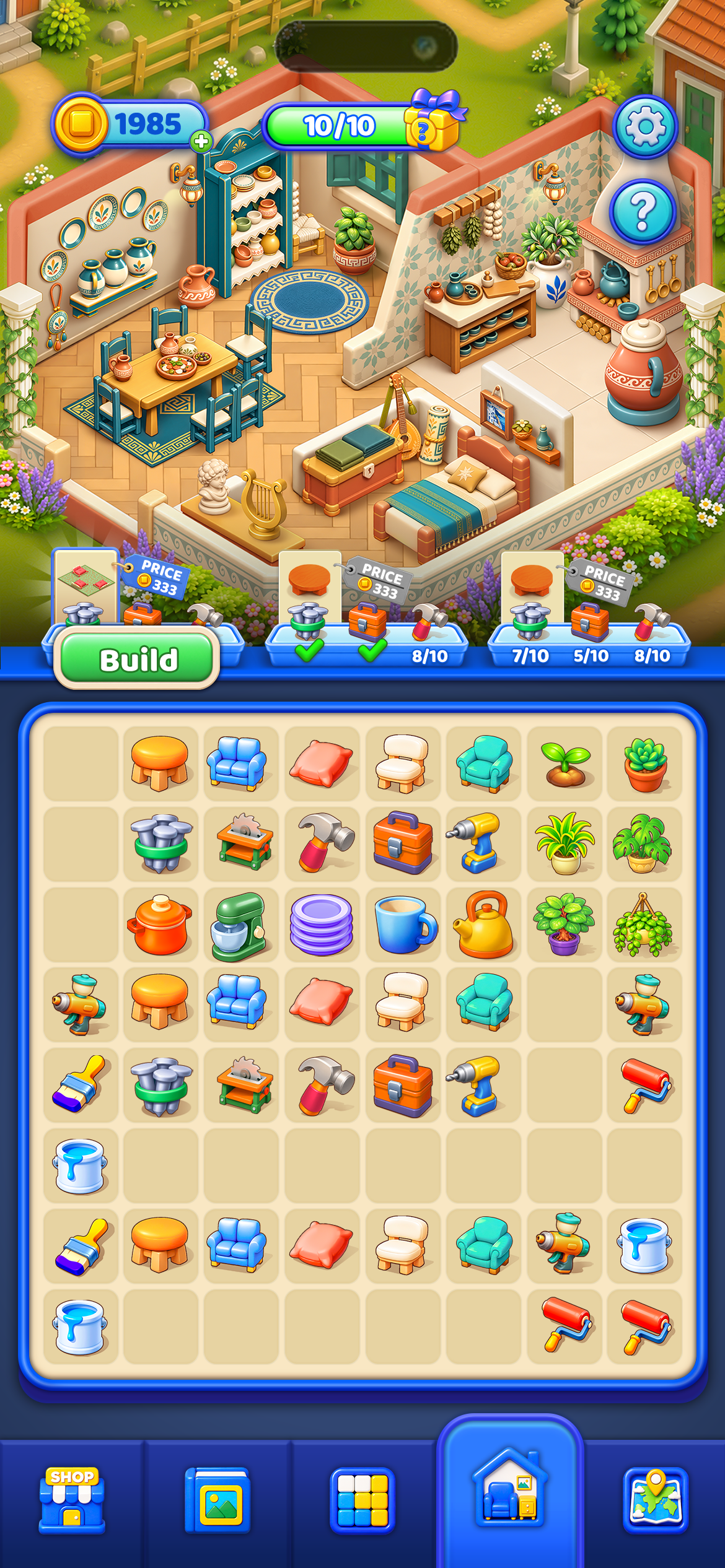
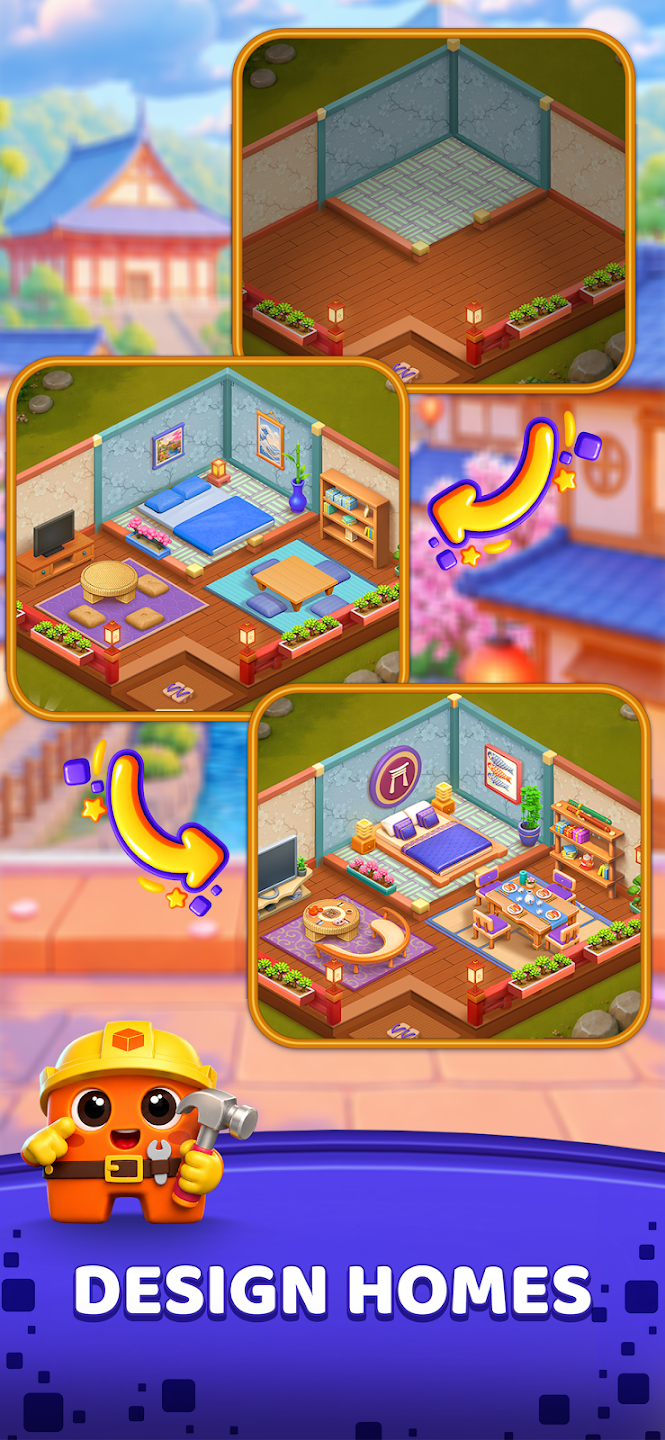
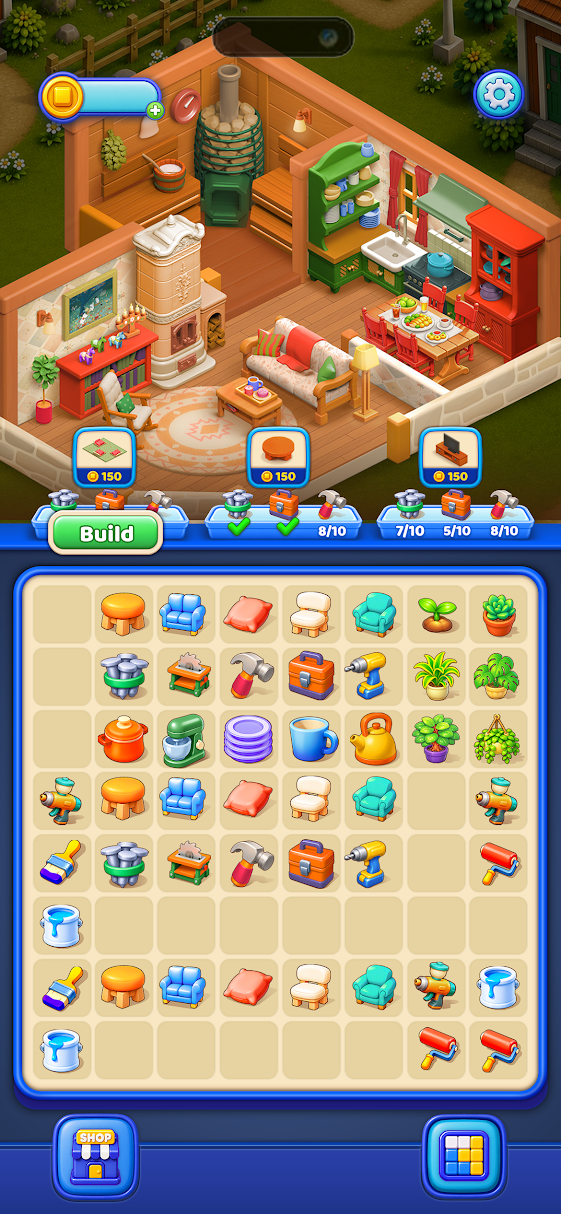
Players place blocks on a 9×9 grid, clear lines, and create satisfying combos to earn rewards. Those rewards feed into a larger progression system, allowing players to decorate homes, unlock new rooms, and explore chapters inspired by architectural styles from around the world.
The vision was to build something that felt immediately familiar to casual puzzle players, while introducing a meaningful sense of progression beyond simply chasing a higher score.
My Role & Responsibilities
As Project Manager, I led the day-to-day production of Block Boom, working closely with a multidisciplinary remote team of programmers, artists, and game designers.
My responsibilities extended beyond traditional project tracking. I was actively involved in shaping the production strategy, facilitating game design decisions, and ensuring the team's creative ambitions remained aligned with development realities.
My key responsibilities included:
-
Production Leadership: Managing the development roadmap, milestones, sprint planning, priorities, and delivery schedules.
-
Cross-functional Coordination: Bringing together development, art, and game design teams across different countries and time zones.
-
Game Design Collaboration: Contributing to gameplay systems, feature discussions, progression design, and the overall player experience.
-
Scope & Risk Management: Evaluating production trade-offs, identifying dependencies, managing blockers, and adjusting priorities when necessary.
-
Testing & Iteration: Coordinating playtesting, reviewing player behavior and performance data, and translating findings into actionable development priorities.
-
Documentation & Communication: Maintaining clear design documentation, production plans, decision records, and regular stakeholder updates.
Production & Challenges
The Production Challenge
One of the most interesting challenges of Block Boom was connecting two different gameplay experiences into one coherent product.
The block puzzle needed to feel satisfying on its own, while the home renovation layer had to provide a compelling reason to keep playing.
At the same time, we were building the game with a relatively small, fully remote team. Development, art production, and design had to move forward in parallel without creating unnecessary dependencies or losing sight of our milestones.
My focus was to establish a production environment where the team could work efficiently, communicate openly, and make informed decisions without sacrificing creativity.
From Ideas to Playable Builds
We approached development through iterative production cycles, gradually transforming the initial concept into a playable mobile game.
The early stages focused on establishing the core block puzzle experience, including piece placement, line clearing, combo feedback, energy systems, power-ups, and responsive game feel.
As development progressed, we expanded our focus toward progression systems, home renovation, tutorial design, new content, and overall user experience.
Each milestone brought together design, programming, art, quality assurance, and testing. Maintaining alignment between these disciplines was a central part of my role.
Learning Through Testing
Throughout development, we used internal playtests and user acquisition testing to challenge our assumptions about the game.
One particularly important learning was the significance of the first-time user experience.
While the core gameplay offered a familiar entry point, early player behavior highlighted opportunities to improve onboarding and communicate the game's progression more effectively.
These findings shaped our priorities, putting greater emphasis on tutorial improvements, gameplay clarity, and the early player journey.
For me, this reinforced an important production principle: a good roadmap isn't simply one that delivers planned features. It's one that can evolve when new information challenges the original plan.